Your crawlspace may be out of sight, but it should not be out of mind.
The space beneath your home supports flooring, plumbing, insulation, ductwork, and structural materials. When moisture begins collecting there, the first warning signs often appear inside the home rather than under it.
A room may suddenly smell musty. Floors may feel uneven. The air conditioner may struggle to keep the house comfortable. These issues can seem unrelated, but they may all point to the same source: a damp or poorly protected crawlspace.
Knowing what to watch for can help Alabama homeowners catch moisture problems before they cause more extensive damage. Here are seven signs that your crawlspace may need professional attention.
A musty odor is one of the most common signs of a crawlspace moisture problem.
The smell may be strongest near floor vents, closets, hallways, or rooms located directly above the crawlspace. It may also become more noticeable after heavy rain or during Alabama’s humid summer months.
Musty odors can develop when moisture affects:
Air can move from the crawlspace into the home through gaps around plumbing, wiring, flooring, and ductwork. That means an odor beneath the house may eventually spread into the living areas.
Air fresheners and cleaning products may temporarily cover the smell, but they will not correct the source. A crawlspace inspection can help determine whether the odor is connected to humidity, water intrusion, damaged materials, or another issue.
Floors should feel stable beneath your feet. If sections begin to sag, bounce, or slope, the framing below them may need attention.
Crawlspace moisture can affect floor joists, support beams, and subflooring. When wooden materials remain damp for long periods, they may begin to soften, warp, or rot.
Other signs of movement may include:
Not every uneven floor is caused by moisture. Older homes may settle over time, and some structural movement may have other causes. However, a change in the way the floor feels should not be ignored.
Encapsulation can help protect healthy or repaired wood from continued moisture exposure, but structural damage may require separate crawlspace repairs.
Alabama homeowners are familiar with outdoor humidity, but the inside of the home should still feel reasonably comfortable.
When rooms feel sticky even with the air conditioner running, moisture may be entering from below. A damp crawlspace can release humid air through openings in the floor system, making it harder to maintain comfortable indoor conditions.
You may also notice:
High indoor humidity can have several possible causes, including HVAC problems or air leaks elsewhere in the home. However, the crawlspace should be evaluated when humidity appears alongside musty odors, wet insulation, or visible moisture beneath the house.
A sealed vapor barrier, drainage system, crawlspace dehumidifier, or full encapsulation system may be recommended depending on the source of the problem.
Fiberglass insulation is often installed between crawlspace floor joists. When it remains dry and properly secured, it helps reduce heat transfer between the crawlspace and the rooms above.
Moisture can cause insulation to become heavy, compressed, or misshapen. Eventually, sections may sag or fall to the crawlspace floor.
Damaged insulation may appear:
Once insulation becomes wet or contaminated, it may no longer perform as intended. It can also hold moisture against wooden framing and create conditions where odors or mold-like growth develop.
Replacing insulation without fixing the underlying moisture problem may only provide a temporary solution. The crawlspace should first be evaluated for humidity, leaks, drainage issues, and exposed soil.
Puddles and muddy soil are clear signs that water is entering the crawlspace.
The water may appear only after heavy rain, or it may remain for long periods. In either case, it is important to determine where it is coming from.
Common sources include:
Even if standing water eventually disappears, damp soil can continue releasing moisture vapor into the space. That moisture may collect on ductwork, pipes, insulation, and wooden materials.
A vapor barrier should not simply be placed over an active water problem. Drainage or waterproofing improvements may be necessary before the crawlspace is sealed.
Dark stains, white patches, fuzzy material, or unusual discoloration on crawlspace wood may indicate excessive moisture.
Homeowners may also notice wood that appears cracked, flaky, soft, or darker than surrounding areas. These changes can be associated with wood rot or long-term water exposure.
Moisture-related damage is especially concerning when it affects:
Cleaning visible growth may improve the appearance of the area, but it will not prevent the problem from returning if humidity or water intrusion remains.
The moisture source must be identified and controlled. Depending on the condition of the crawlspace, this may involve waterproofing, drainage repairs, dehumidification, encapsulation, or replacement of damaged structural materials.
A crawlspace problem may not be the first thing you think of when energy costs increase, but moisture beneath the home can affect efficiency.
Damp insulation may stop performing properly. Humid air can enter the living space and make rooms feel warmer. Condensation may affect HVAC duct insulation, and air leaks can allow conditioned air to escape.
As a result, the heating and cooling system may run longer while the home still feels uncomfortable.
Your crawlspace may be contributing to energy loss when higher bills occur alongside:
Crawlspace moisture control will not solve every efficiency issue, but it may be an important part of improving the home’s overall comfort and performance.
One warning sign does not always mean the home needs full crawlspace encapsulation. A localized plumbing leak, damaged gutter, or missing section of insulation may require a targeted repair.
However, several symptoms occurring together may indicate a broader moisture problem.
A professional crawlspace inspection can help answer questions such as:
The goal should be to correct the source of the problem rather than only treating the visible symptoms.
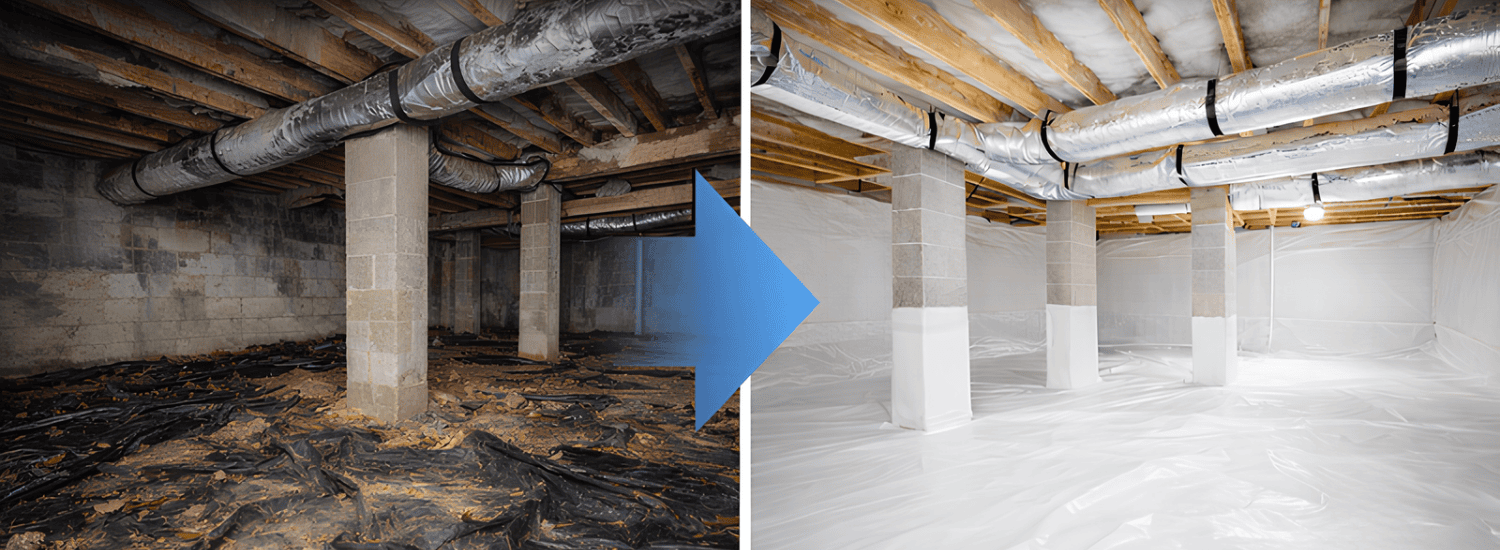
Crawlspace encapsulation creates a more controlled environment beneath the home by reducing ground moisture and limiting humid outdoor air.
A complete system may include:
The right combination depends on the home. Encapsulation may be useful for crawlspaces with recurring humidity, musty odors, condensation, damaged insulation, or moisture-related wood concerns.
Active leaks, standing water, and structural damage should be corrected before or as part of the encapsulation project.
Alabama’s humidity and frequent rainfall can make crawlspace moisture difficult to avoid, especially in homes with exposed soil, open vents, or poor exterior drainage.
StayDry Waterproofing LLC provides crawlspace inspections and moisture-control solutions throughout Birmingham, Homewood, Vestavia Hills, Hoover, Mountain Brook, Trussville, Pelham, Alabaster, and nearby communities.
With a Downtown Birmingham office, the StayDry team is positioned to help local homeowners identify the source of crawlspace moisture and determine which repairs are appropriate for the property.
Your crawlspace may need attention if you notice musty odors, uneven floors, high indoor humidity, falling insulation, standing water, wood damage, or unexplained increases in energy use.
These warning signs may begin as minor inconveniences, but crawlspace moisture can affect the structure, comfort, and condition of the entire home when it is left unresolved.
Concerned about what may be happening beneath your home? Contact StayDry Waterproofing LLC to schedule a free crawlspace inspection and learn whether waterproofing, encapsulation, dehumidification, or crawlspace repair may be needed.
Check out our social pages for updates on what we have going on!

Stay Dry Waterproofing LLC
12500 Bedford Forrest Ln, McCalla, AL, 35111
120 19th St N Ste 208, Birmingham, AL 35203
Monday - Friday: 6:00am - 6:00pm