Alabama winters bring plenty of rain, and your crawlspace is often the first place to show it. Months of wet weather can turn a mildly damp crawlspace into a serious moisture problem — affecting insulation, wood framing, indoor air quality, and even your home’s structural materials.
The good news is that a little preparation in the fall can go a long way. Here is how Birmingham-area homeowners can get their crawlspace ready before the wettest months arrive.
Before the rainy season begins, take a look beneath your home — or have a professional do it. Check for standing water, damp soil, wet insulation, musty odors, and condensation on ductwork or pipes. Problems found in November are almost always easier and less expensive to address than problems discovered in February after months of rain.
Walk around your home during or after a rainstorm and watch where the water goes. Look for:
Correcting exterior drainage is one of the most cost-effective ways to keep water out of your crawlspace.
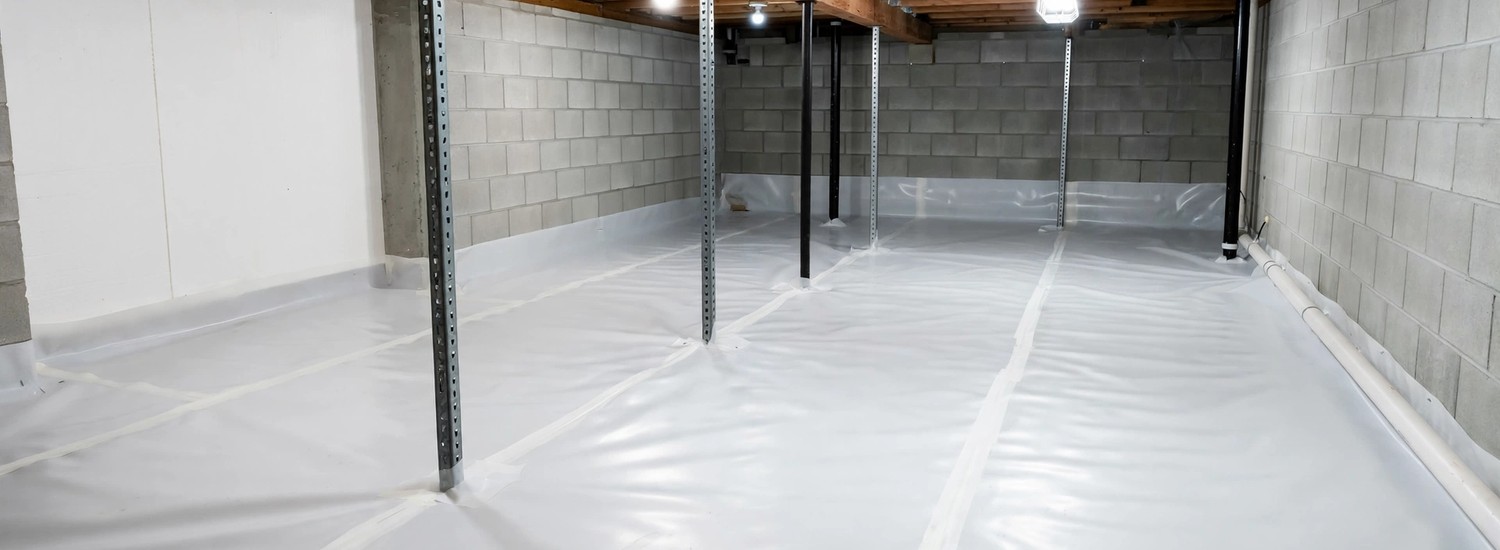
A vapor barrier reduces moisture rising from exposed soil into the crawlspace. If yours is torn, displaced, bunched up, or missing in sections, it is not doing its job. Fall is a good time to have it inspected and repaired or replaced before months of wet weather test it.
Alabama’s outdoor humidity does not disappear in winter, and open foundation vents can let moist air into the crawlspace year-round. A crawlspace dehumidifier can help control moisture levels during the wet season, especially in homes with a history of dampness or musty odors. In some cases, full encapsulation — sealing vents and covering floors and walls — provides the most complete protection.
If your crawlspace or basement has a sump pump, pour a bucket of water into the basin and confirm the pump activates, moves water, and shuts off properly. Check the discharge line for blockages or freezing risk. A sump pump that fails during a winter storm is a problem you want to discover during a test, not during a downpour.
Cracks, gaps around pipes and vents, and other foundation openings can let water in during heavy rain. Sealing accessible openings before the wet season helps keep wind-driven rain andrising moisture out of the crawlspace.
Take photos of your crawlspace now: the vapor barrier, insulation, ductwork, and any areas that have been damp before. A visual baseline makes it much easier to spot changes after the wet season, such as new water stains, displaced insulation, or moisture where there was none before.
If you ever need professional help, those before-and-after photos give your inspector valuable information about how conditions changed and how quickly they changed.
Winter storms in Alabama can knock out power, and a sump pump without electricity is only a basin. If your crawlspace or basement relies on a sump pump, consider a battery backup system before storm season arrives.
Also know where your main water shutoff is located. A burst pipe during a freeze can flood a crawlspace quickly, and every minute matters when water is flowing.
A trained eye catches what most homeowners miss: early wood decay, subtle grading problems, vapor barrier gaps, or drainage issues that only appear under certain conditions.
A fall inspection from Stay Dry Waterproofing is free, and it gives you a clear picture of your crawlspace heading into the wettest months, plus a prioritized plan if anything needs attention.
Wet crawlspaces attract more than moisture problems — they attract pests. Termites, carpenter ants, rodents, and other pests are drawn to damp wood and humid conditions, and the damage they cause compounds the moisture issues.
During your fall crawlspace check, look for mud tubes, wood shavings, droppings, or gnawed insulation alongside the moisture signs. Addressing water intrusion does double duty: it protects your home from both moisture damage and the pests that moisture invites.
Foundation vents clogged with leaves, mulch, or debris cannot do their job, and blocked vents trap moisture inside the crawlspace instead of letting air circulate. During your fall check, clear every vent around the foundation and trim back plants growing against them.
If your crawlspace has been encapsulated with sealed vents, confirm the seals are intact. It is a five-minute task that keeps the ventilation you do have working as designed.
Preparing your crawlspace for Alabama’s wet season is about addressing small problems before months of rain turn them into big ones. Drainage, vapor barriers, humidity control, sump pumps, and sealed openings all work together to keep the space beneath your home dry.
Stay Dry Waterproofing LLC provides free crawlspace and waterproofing inspections throughout Birmingham and surrounding Alabama communities.
Want a professional to check your crawlspace before the rains arrive? Contact Stay Dry Waterproofing LLC to schedule a free crawlspace inspection.
Check out our social pages for updates on what we have going on!

Stay Dry Waterproofing LLC
12500 Bedford Forrest Ln, McCalla, AL, 35111
120 19th St N Ste 208, Birmingham, AL 35203
Monday - Friday: 6:00am - 6:00pm