Few discoveries worry a homeowner more than a crack in the foundation. The good news: not every crack signals a serious problem. Concrete naturally develops small cracks as it cures and as homes settle. The key is knowing which cracks are cosmetic — and which ones deserve a professional look.
Here is a practical guide for Birmingham and Alabama homeowners.
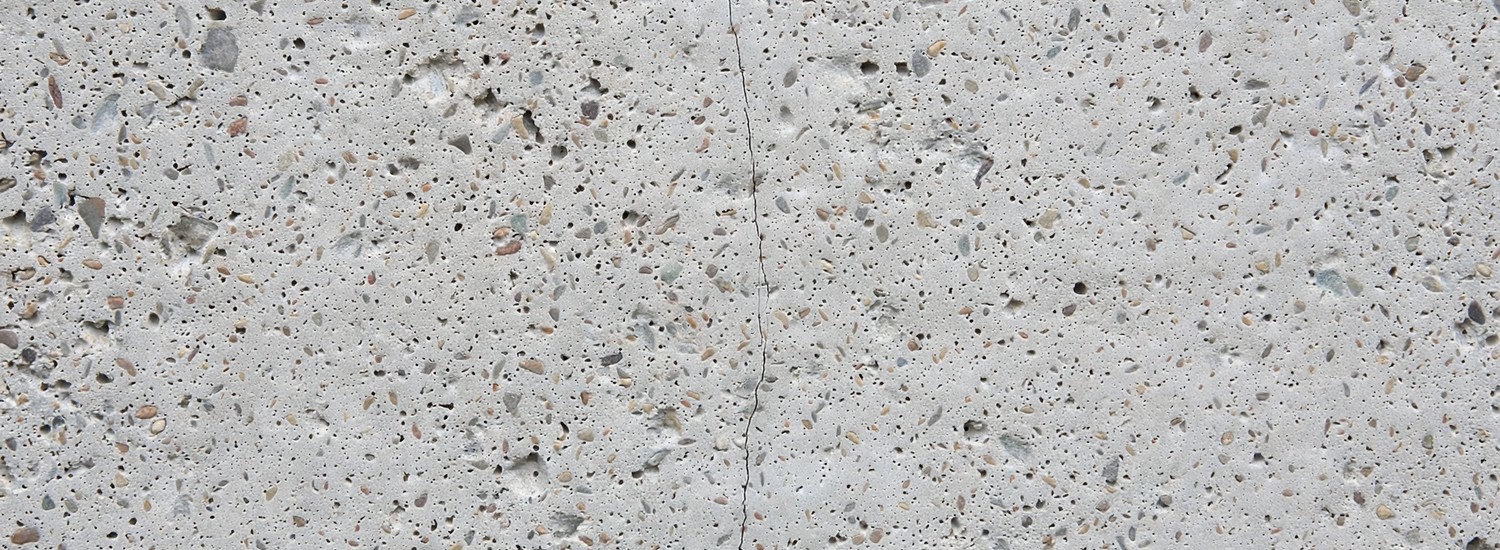
Thin, hairline cracks — roughly the width of a credit card or less — are extremely common in concrete foundations and basement walls. They typically result from normal concrete shrinkage during curing or minor settling. On their own, hairline cracks that are not leaking or growing are generally not a structural concern, though they can still allow moisture through over time.
Vertical cracks running up and down a foundation wall are frequently caused by normal settling. If the crack is narrow, stable, and not leaking water, it is often manageable with monitoring or simple sealing. However, a vertical crack that is widening, leaking, or allowing significant water entry should be evaluated.
Diagonal cracks can indicate uneven settling — one part of the foundation moving differently than another. Small diagonal cracks may be harmless, but wider ones, or ones that appear alongside doors or windows that stick, deserve professional evaluation to rule out ongoing movement.
Horizontal cracks in a foundation wall can indicate lateral pressure from saturated soil pushing against the wall. These are the cracks most likely to signal a structural concern, especially if the wall is bowing inward. A horizontal crack should always be inspected by a professional — this is not a wait-and-see situation.
Regardless of direction, any crack that allows water to enter is a waterproofing problem. Even a hairline crack can admit water during heavy rain when soil around the foundation is saturated. Leaking cracks should be addressed with proper waterproofing repairs, not just surface patching, because the underlying water pressure needs to be managed too.
When in doubt, have it checked. A professional inspection is the only way to know for sure.
The right repair depends on the crack. For non-structural cracks that leak, professionals often use epoxy or polyurethane injection. These materials fill the crack completely and flex slightly with the concrete, creating a waterproof seal from the inside.
Surface patching alone rarely holds, because it does not address the water pressure behind the wall. For cracks related to structural movement or bowing walls, repairs may involve wall anchors, braces, or other stabilization methods, and the underlying drainage or soil-pressure problem must be addressed as well.
If a professional determines a crack is currently cosmetic, ask how to monitor it. Simple methods include marking the crack ends with dated pencil lines or taking periodic photos from the same angle.
If the marks separate or the photos show growth, schedule a follow-up. Monitoring turns uncertainty into information and ensures that a crack that starts changing gets attention before it becomes a bigger problem.
Cracks rarely appear in isolation. Pay attention to what else is happening in your home: doors and windows that suddenly stick, gaps appearing between walls and ceilings, sloping or uneven floors, and water intrusion that started around the same time as the crack.
These accompanying symptoms help professionals determine whether a crack is a standalone cosmetic issue or a sign of foundation movement. The more symptoms present, the more important a professional evaluation becomes — so note everything you observe, not just the crack itself.
A foundation inspection is about more than looking at the crack. A qualified inspector evaluates the crack type, width, and direction, checks for signs of movement or bowing, assesses exterior drainage and grading, and looks at how water behaves around your foundation during rain.
You should receive a clear explanation of what was found, what it means, and what — if anything — needs to be done. At Stay Dry Waterproofing, this inspection is free, and the recommendations are prioritized so you know what matters most.
Most foundation cracks are not emergencies — but some are, and telling the difference matters. Hairline and minor vertical cracks often just need monitoring and sealing, while horizontal cracks, growing cracks, and leaking cracks call for professional attention.
Stay Dry Waterproofing LLC provides free crawlspace and waterproofing inspections throughout Birmingham and surrounding Alabama communities.
Found a crack you are unsure about? Contact Stay Dry Waterproofing LLC to schedule a free foundation inspection and get an honest assessment.
Check out our social pages for updates on what we have going on!

Stay Dry Waterproofing LLC
12500 Bedford Forrest Ln, McCalla, AL, 35111
120 19th St N Ste 208, Birmingham, AL 35203
Monday - Friday: 6:00am - 6:00pm