Alabama’s high humidity, heavy rainfall, and warm temperatures can make it difficult to keep a crawlspace dry. Moisture can enter through exposed soil, open foundation vents, plumbing leaks, poor drainage, or humid outdoor air. Over time, this moisture may contribute to musty odors, mold growth, damaged insulation, wood rot, sagging floors, and poor indoor air quality.
For many Alabama homeowners, crawlspace encapsulation can be a worthwhile investment. A properly designed encapsulation system helps create a cleaner, drier, and more controlled environment beneath the home.
StayDry Waterproofing LLC provides crawlspace encapsulation and moisture-control solutions throughout Birmingham, Homewood, Vestavia Hills, Hoover, Mountain Brook, Trussville, Pelham, Alabaster, and nearby Alabama communities.
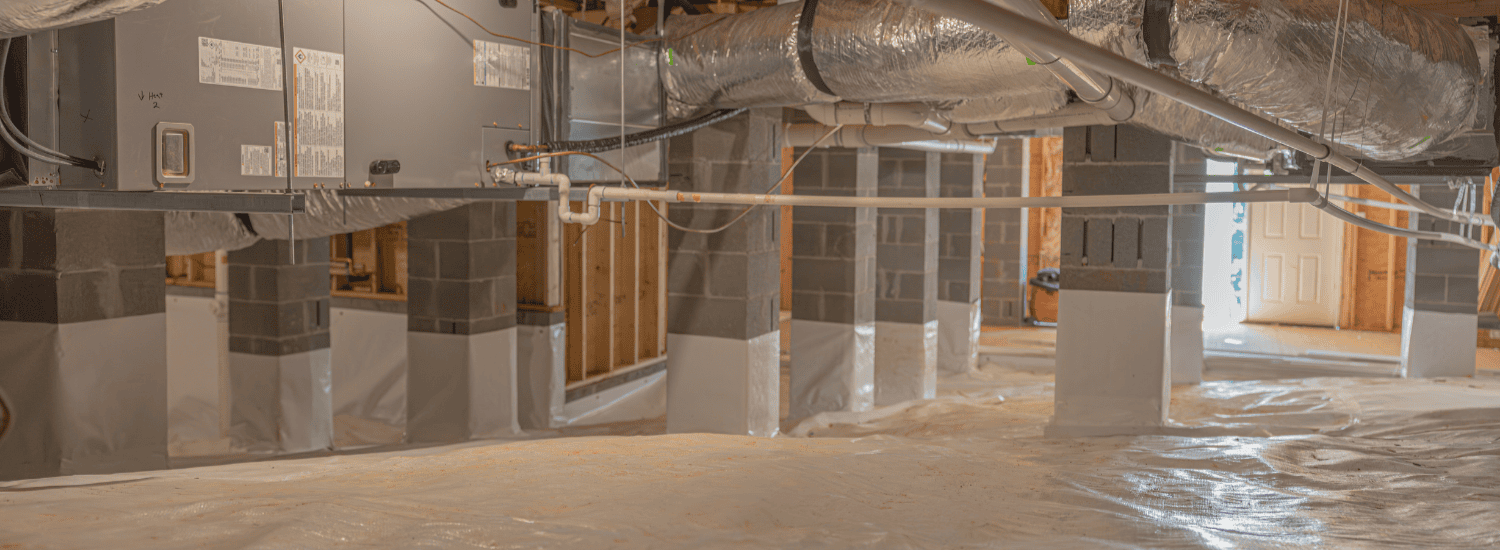
Crawlspace encapsulation is the process of sealing the crawlspace from ground moisture and humid outdoor air. A durable vapor barrier is installed across the exposed soil and typically extended up the foundation walls and around support columns.
Open vents, seams, and other areas that allow outside air to enter may also be sealed. Depending on the condition of the crawlspace, the system may include:
Encapsulation involves more than placing plastic over the ground. A complete system should address the specific ways water and humidity are entering the space.
When properly installed, crawlspace encapsulation can help control moisture, protect structural materials, and create a more stable environment beneath the home.
Alabama’s climate creates several challenges for vented and unsealed crawlspaces. Warm, humid outdoor air can enter through foundation vents and come into contact with cooler pipes, ductwork, floor joists, and insulation.
As the humid air cools, condensation may form. This can leave materials damp even when there is no visible leak or standing water.
Heavy rainfall can create additional problems. Water may collect around the foundation when:
Moisture can also rise naturally from exposed soil. Even when the ground does not look wet, water vapor can move into the crawlspace and increase humidity.
Because these issues often overlap, an Alabama home may need a combination of drainage, waterproofing, encapsulation, and dehumidification.
Crawlspace moisture problems are not always visible from inside the home. However, several warning signs may indicate that the space needs professional attention.
A persistent musty odor may begin in the crawlspace and move into the living areas above it. Excessive moisture, mold-like growth, damp insulation, and decaying materials can all create unpleasant smells.
These odors may become more noticeable after heavy rain or during Alabama’s humid summer months. Air can move into the home through gaps around flooring, plumbing, wiring, and ductwork.
Encapsulation may help reduce odors by limiting ground moisture and humid outdoor air. However, existing leaks, mold concerns, or damaged materials should also be addressed.
A damp crawlspace can make it harder to maintain comfortable humidity levels inside the home. Rooms may feel sticky or damp even when the air conditioner is running.
High indoor humidity may also contribute to:
Sealing and conditioning the crawlspace can help create a more stable environment. The correct solution will depend on whether the moisture comes from exposed soil, outdoor air, groundwater, drainage problems, or plumbing.
Excess moisture can weaken wooden floor joists, support beams, and subflooring over time. When wood remains damp, it may soften, rot, or lose structural strength.
Homeowners may notice:
Encapsulation can help protect repaired or undamaged wood from continued moisture exposure. However, it cannot reverse existing structural damage. Crawlspace repairs may be necessary before or alongside encapsulation.
Dark spots, fuzzy growth, stains, or discoloration on floor joists and other materials may indicate a moisture problem.
Mold and mildew are more likely to grow when humidity remains high. Cleaning visible growth may not prevent it from returning if the moisture source remains unresolved.
A professional inspection can help determine whether the home needs encapsulation, drainage improvements, a dehumidifier, waterproofing, or another repair.
Fiberglass insulation can absorb moisture and begin to sag or fall from between the floor joists. Damp insulation may become less effective and can create conditions where odors, pests, and mold-like growth develop.
Damaged insulation may need to be removed before the crawlspace is encapsulated.
Puddles, muddy soil, water stains, and damp foundation walls are clear signs that moisture is entering the crawlspace.
Possible causes include:
Encapsulation should not be installed over an unresolved water problem. Active water intrusion should be corrected before the crawlspace is fully sealed.
A properly installed crawlspace encapsulation system can provide several important benefits for Alabama homeowners.
A sealed vapor barrier separates the crawlspace from moisture rising through exposed soil. Sealing foundation vents and other openings can also reduce the amount of humid outdoor air entering the space.
This makes it easier to maintain a stable humidity level.
In some homes, a crawlspace dehumidifier may be included to remove remaining moisture from the air. The system should be selected based on the size of the crawlspace, current humidity levels, and existing water problems.
Keeping structural wood dry is one of the most important reasons to address crawlspace moisture.
Prolonged dampness may contribute to:
Encapsulation cannot repair materials that have already deteriorated, but it can reduce the moisture that contributes to future damage.
Addressing the problem early may help homeowners avoid more complicated structural repairs later.
Air can move from the crawlspace into the home through gaps in the floor system. When the crawlspace contains musty odors, excessive humidity, dust, or mold spores, those conditions may affect the living space above.
Encapsulation helps separate the home from exposed soil and reduces some of the moisture-related conditions that may affect indoor air quality.
Active mold, plumbing, drainage, and pest problems should still be corrected as part of the complete solution.
A humid crawlspace can affect ductwork, insulation, flooring temperatures, and the comfort of rooms above it. The HVAC system may also have to work harder when it is managing excessive moisture.
A drier crawlspace may help:
Actual energy savings will vary based on the home, but improved comfort is one reason many homeowners consider crawlspace encapsulation.
Reducing moisture and separating the crawlspace from exposed soil may help control persistent musty odors.
Once the primary moisture problem has been corrected, it may also be easier to determine whether any remaining odor is coming from a plumbing leak, damaged insulation, pests, mold-like growth, or another source.
A basic vapor barrier usually consists of plastic sheeting placed over the crawlspace floor. It may reduce some ground moisture, but it does not necessarily seal the space from humid air.
A basic barrier may also leave the foundation walls, support columns, seams, vents, and gaps exposed.
Full crawlspace encapsulation takes a more complete approach. The liner is typically sealed at the seams and extended up the foundation walls and around structural supports. Vents and air leaks may be closed, and humidity may be controlled with a dehumidifier.
A basic vapor barrier may be enough for some homes. However, crawlspaces with recurring humidity, condensation, musty odors, wet insulation, or moisture damage may need full encapsulation.
Not every crawlspace requires full encapsulation.
Some moisture problems may be resolved by:
The correct recommendation depends on:
A professional crawlspace inspection can help determine whether full encapsulation is necessary or whether a smaller repair would solve the problem.
Crawlspace encapsulation costs vary because every home has different needs.
Factors that may affect the price include:
A crawlspace with active water intrusion or damaged materials may need preparation before the vapor barrier can be installed.
Homeowners should be cautious of estimates that do not identify the source of the moisture. A low-cost liner may not provide long-term value if drainage problems or excessive humidity remain unresolved.
For many Alabama homeowners, crawlspace encapsulation is worth considering because the state’s humidity and rainfall can place ongoing stress on unsealed crawlspaces.
The greatest value often comes from reducing continued moisture exposure. A dry and controlled crawlspace may help protect:
Encapsulation may be especially worthwhile when the home has recurring:
However, the system must be designed around the source of the problem. Drainage issues, leaks, damaged materials, and structural concerns should be addressed before the crawlspace is sealed.
During a crawlspace inspection, the StayDry team can look for signs of:
The exterior of the home may also be evaluated. Gutters, downspouts, grading, drainage paths, and foundation openings can provide clues about how moisture is entering the crawlspace.
Based on the inspection, the recommended solution may include:
The goal is to correct the source of the moisture rather than simply cover the ground.
Homes throughout Birmingham and Central Alabama may experience crawlspace moisture due to humidity, frequent storms, drainage issues, exposed soil, and aging construction materials.
With its Downtown Birmingham office, StayDry Waterproofing LLC is positioned to serve homeowners throughout:
Local service and inspection information can be included naturally throughout the article without overusing city names or making the content feel repetitive.
Crawlspace encapsulation can be a worthwhile investment for Alabama homeowners dealing with high humidity, musty odors, condensation, mold concerns, wood rot, sagging floors, or moisture beneath the home.
By sealing exposed soil, limiting humid air, and controlling moisture, encapsulation can help create a cleaner and more stable environment beneath the house. Existing leaks, drainage problems, standing water, and structural damage should also be addressed as part of the complete solution.
StayDry Waterproofing LLC provides free crawlspace inspections and customized moisture-control solutions throughout Birmingham, Homewood, Vestavia Hills, Hoover, Mountain Brook, Trussville, Pelham, Alabaster, and surrounding communities.
Concerned about moisture beneath your home? Contact StayDry Waterproofing LLC to schedule a free crawlspace inspection and find out whether encapsulation is the right solution for your Alabama home.
Check out our social pages for updates on what we have going on!

Stay Dry Waterproofing LLC
12500 Bedford Forrest Ln, McCalla, AL, 35111
120 19th St N Ste 208, Birmingham, AL 35203
Monday - Friday: 6:00am - 6:00pm