
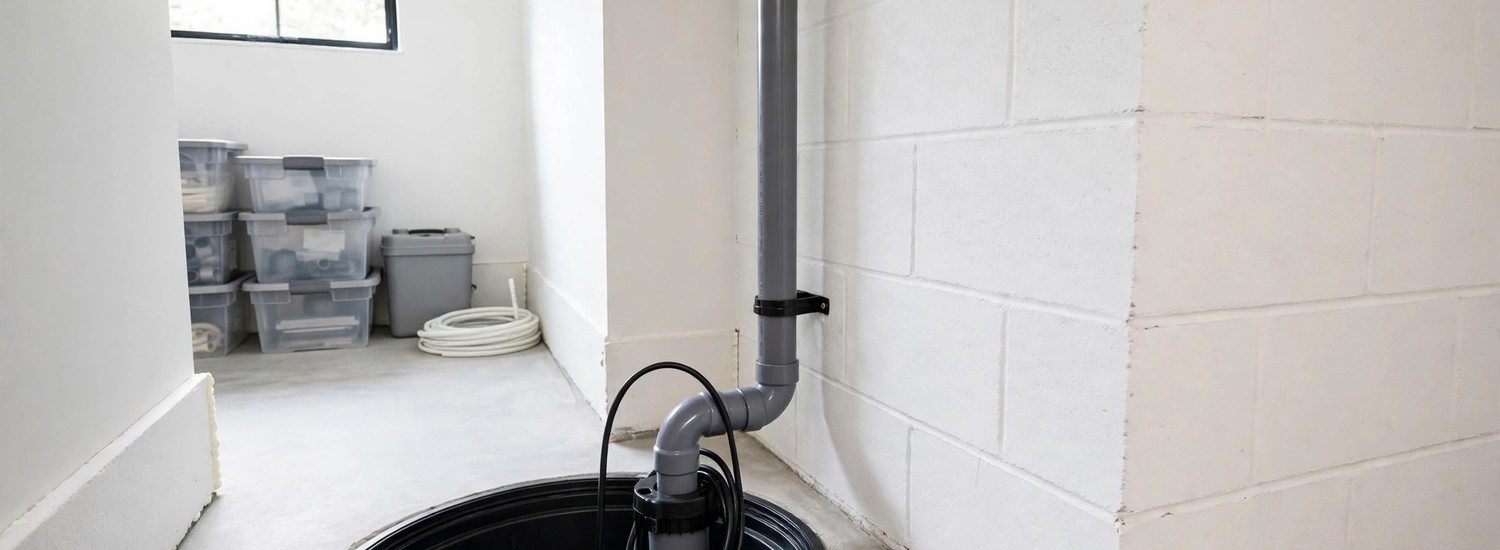
A sump pump is one of those things you never think about — until the moment you desperately need it. Sitting quietly in a basin in your crawlspace or basement, it is your last line of defense against rising water. But sump pumps can and do fail, often without any warning.
Here is what Birmingham homeowners should know about testing, maintaining, and replacing their sump pump before the next big storm.
A sump pump collects water that gathers in a basin (the sump pit) beneath or beside your home and pumps it away from the foundation through a discharge line. It typically activates automatically when water reaches a certain level, thanks to a float switch. When everything works, you may never know it is there.
Testing takes five minutes and can save you thousands in water damage. Here is how:
Test your pump at least twice a year, and always before the rainy season.
Any of these signs means it is time for a professional evaluation.
A working pump with a blocked discharge line is almost as bad as no pump at all. Check that the line is clear of debris, discharges water well away from the foundation, and is not at risk of freezing in cold snaps. A frozen or clogged line can cause the pump to burn out or back water up into your home.
Storms that cause flooding often cause power outages too. A battery backup system keeps your sump pump running when the power goes out — exactly when you need it most. For homes in flood-prone areas or with a history of water intrusion, backup protection isone of the smartest investments you can make.
Most sump pumps last seven to ten years, though lifespan varies with equipment quality, usage, and maintenance. A pump that runs frequently because of a high water table or poor drainage wears out faster than one that rarely activates.
If yours is approaching that age range, do not wait for it to fail during a storm. Proactive replacement costs far less than water damage cleanup, and a professional can confirm whether your current pump is adequately sized for your home.
Some homes benefit from more than one layer of protection. A primary sump pump handles normal water loads, a battery backup keeps pumping during power outages, and in high-risk situations a secondary backup pump can take over if the primary fails.
The right combination depends on your water history, your flood risk, and how critical uninterrupted protection is for your home. A professional assessment can recommend the setup that makes sense for your situation.
If you discover your sump pump is not working during heavy rain, act quickly. Check that it is plugged in and the breaker has not tripped, clear visible debris from the basin, and make sure the float switch moves freely.
If those quick checks do not help, call for service right away. In the meantime, move valuables off the floor and away from the affected area. After the storm, have the system professionally inspected so the failure does not repeat.
Debris in the sump basin is a common cause of pump failure. Dirt, gravel, and sediment can jam the float switch or clog the pump intake, preventing the pump from activating when water rises.
Once or twice a year, disconnect the power, remove the pump, and clean out the basin. While you have the pump out, inspect the float switch for free movement and check the check valve on the discharge line — a failed check valve lets pumped water flow right back into the basin, forcing the pump to run far more often than it should.
Your sump pump is only useful if it works when water arrives. Regular testing, attention to warning signs, a clear discharge line, and battery backup protection all help ensure your home stays dry through Alabama’s wettest months.
Stay Dry Waterproofing LLC provides free crawlspace and waterproofing inspections throughout Birmingham and surrounding Alabama communities.
Not sure your sump pump is up to the job? Contact Stay Dry Waterproofing LLC for a free inspection and honest recommendations.
Check out our social pages for updates on what we have going on!

Stay Dry Waterproofing LLC
12500 Bedford Forrest Ln, McCalla, AL, 35111
120 19th St N Ste 208, Birmingham, AL 35203
Monday - Friday: 6:00am - 6:00pm