Buying a home is a major investment, and the crawlspace can reveal important information about the condition of the property. Although it is easy to focus on kitchens, bathrooms, roofing, and curb appeal, problems beneath the home may affect its structure, indoor air quality, comfort, and future repair costs.
In Alabama, crawlspaces are especially vulnerable to moisture because of the state’s high humidity, frequent rainfall, and warm temperatures. During a home inspection, inspectors typically look for signs of water intrusion, wood damage, mold-like growth, poor drainage, damaged insulation, and structural movement.
Homebuyers should understand these warning signs before purchasing a property or negotiating repairs. StayDry Waterproofing LLC helps homeowners throughout Birmingham, Homewood, Vestavia Hills, Hoover, Mountain Brook, Trussville, Pelham, Alabaster, and nearby communities evaluate crawlspace moisture and structural concerns.
The crawlspace contains many of the materials and systems that support the home. Floor joists, support beams, plumbing, ductwork, wiring, insulation, and portions of the foundation may all be visible beneath the property.
When the crawlspace is dry and properly maintained, these materials are better protected. When moisture enters and remains trapped, it can lead to damaged wood, falling insulation, odors, pests, and uneven floors.
Some crawlspace issues may be relatively simple to correct, while others may require drainage improvements, waterproofing, encapsulation, dehumidification, or structural repairs.
A home inspection can identify visible concerns, but a crawlspace specialist may be needed to determine the moisture source and recommend the correct solution.
Standing water is one of the clearest crawlspace warning signs. Home inspectors may look for puddles, muddy areas, water stains, damp foundation walls, or signs that water has recently moved through the space.
Common causes include:
Even when there is no visible standing water, damp soil can release moisture vapor into the crawlspace. This may increase humidity and create condensation on wood, ductwork, pipes, and insulation.
Homebuyers should ask whether the water problem is seasonal, recurring, or connected to a recent storm. Encapsulation alone should not be used to cover an active drainage problem. Water should first be redirected, collected, or removed.
A musty smell inside the home may begin in the crawlspace. Home inspectors often note strong odors because they may indicate excessive moisture, mold-like growth, damp insulation, pest activity, or decaying wood.
Air can move from the crawlspace into the home through gaps around plumbing, wiring, ductwork, and flooring. As a result, crawlspace conditions may affect the rooms above.
Homebuyers may notice odors more strongly:
A musty odor does not identify the exact source of the problem, but it is a reason to investigate further.
Home inspectors may look for dark spots, white patches, fuzzy material, or discoloration on floor joists, beams, subflooring, and insulation.
Mold-like growth is often associated with high humidity or repeated moisture exposure. Cleaning the visible material may not solve the problem if water, condensation, or humid air continues to enter the crawlspace.
Homebuyers should ask whether the moisture source has been identified and corrected. Depending on the condition of the space, the solution may involve:
The goal should be to control the moisture conditions that allowed the growth to develop.
Wood rot is a serious concern because the crawlspace contains structural materials that support the floors above.
Inspectors may probe or visually examine floor joists, beams, sill plates, support posts, and subflooring for signs of deterioration. Damaged wood may appear soft, cracked, discolored, flaking, or weakened.
Homebuyers may also notice warning signs inside the home, including:
Crawlspace encapsulation can help protect wood from continued moisture exposure, but it cannot restore materials that have already lost their strength. Structural repairs may be necessary before or alongside moisture-control work.
Uneven floors can be caused by several issues, including moisture-damaged joists, settling supports, inadequate beams, or foundation movement.
During an inspection, the condition of the crawlspace framing and supports may help explain why certain areas of the home feel soft, low, or unstable.
Not every uneven floor indicates a major structural problem. Older homes may have some natural movement. However, floors that have changed recently or continue to worsen should be evaluated.
A crawlspace specialist can help determine whether the issue is related to wood rot, excessive moisture, failing supports, or another structural concern.
Fiberglass insulation is commonly installed between crawlspace floor joists. When it becomes damp, it may sag, compress, or fall to the ground.
Inspectors may also find insulation that is stained, missing, disturbed by pests, or installed incorrectly.
Wet insulation can lose effectiveness and may contribute to odors or mold-like growth. If the crawlspace is being encapsulated, damaged insulation may need to be removed, and the insulation strategy may need to be adjusted.
Homebuyers should ask whether the existing insulation can be repaired or whether it needs to be replaced as part of a larger crawlspace project.
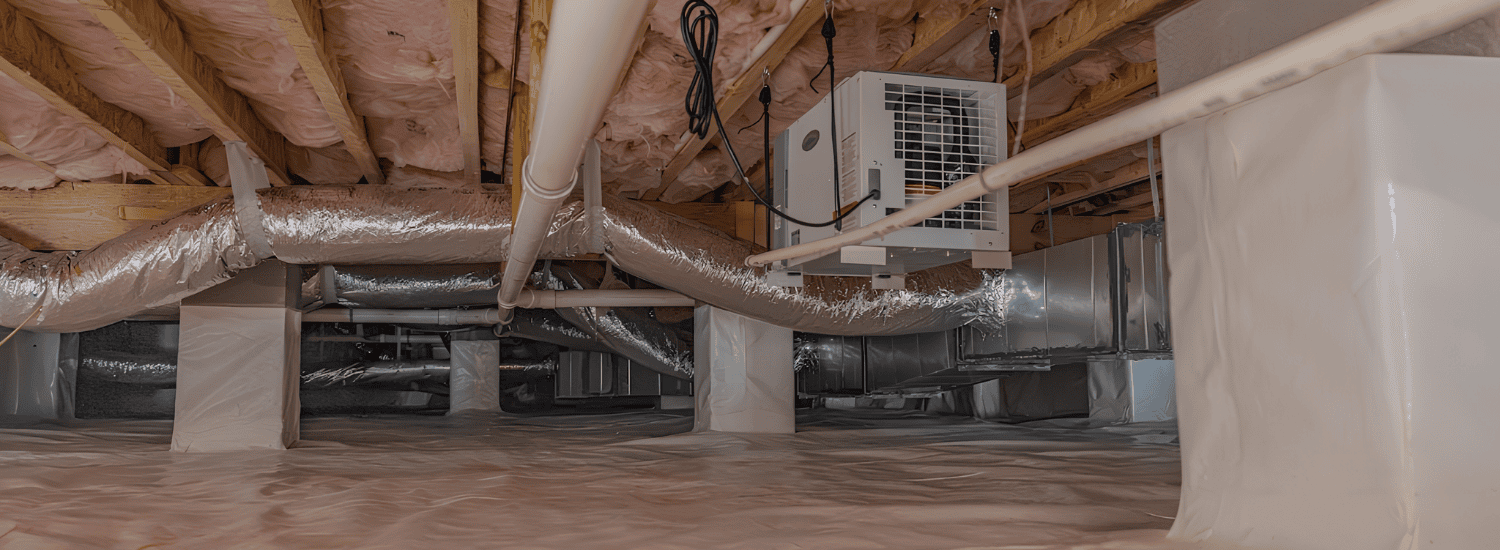
A vapor barrier helps reduce the amount of ground moisture entering the crawlspace. Inspectors may look for plastic sheeting across the exposed soil and note whether it is torn, displaced, incomplete, or missing.
A basic vapor barrier may provide some moisture protection, but it is not the same as full crawlspace encapsulation.
With complete encapsulation, the liner is typically sealed at the seams and extended around support columns and up the crawlspace walls. Vents and air gaps may also be sealed, and a dehumidifier may be installed to manage humidity.
A loose sheet of plastic that covers only part of the ground may not be enough for a crawlspace with ongoing humidity, odors, or water intrusion.
Inspectors also evaluate visible plumbing and HVAC components in the crawlspace.
Slow plumbing leaks can keep soil and framing materials damp for long periods. Condensation may form on cold pipes or air-conditioning ducts when humid air enters the space.
Signs may include:
A plumbing repair may solve a localized leak. However, widespread condensation usually indicates that the crawlspace humidity also needs to be addressed.
Moist crawlspaces can create favorable conditions for insects and other pests. Inspectors may look for damaged wood, droppings, nests, tunneling, or disturbed insulation.
Pest activity does not always result from moisture, but damp wood and standing water may make the environment more attractive.
Homebuyers should consider both pest treatment and moisture control when the two problems appear together. Removing pests without correcting the damp conditions may not provide a long-term solution.
When an inspection identifies crawlspace concerns, homebuyers should ask for more details before moving forward.
Helpful questions include:
The answers can help buyers understand the seriousness of the problem and estimate the type of work that may be necessary.
Homebuyers and home inspectors look closely at Alabama crawlspaces because moisture problems beneath the home can affect structural wood, insulation, indoor air quality, flooring, and long-term maintenance costs.
Standing water, musty odors, mold-like growth, damaged insulation, wood rot, sagging floors, and missing vapor barriers are all signs that the crawlspace may need attention.
A general home inspection can identify visible concerns, but a crawlspace specialist can help determine the cause and recommend an appropriate solution.
StayDry Waterproofing LLC provides free crawlspace inspections, waterproofing, encapsulation, dehumidification, and crawlspace repair services throughout Birmingham, Homewood, Vestavia Hills, Hoover, Mountain Brook, Trussville, Pelham, Alabaster, and nearby Alabama communities.
Buying a home or concerned about the crawlspace beneath your current property? Contact StayDry Waterproofing LLC to schedule a free crawlspace inspection and learn what steps may be needed to protect the home.
Check out our social pages for updates on what we have going on!

Stay Dry Waterproofing LLC
12500 Bedford Forrest Ln, McCalla, AL, 35111
120 19th St N Ste 208, Birmingham, AL 35203
Monday - Friday: 6:00am - 6:00pm